


What Are Business Analytics?
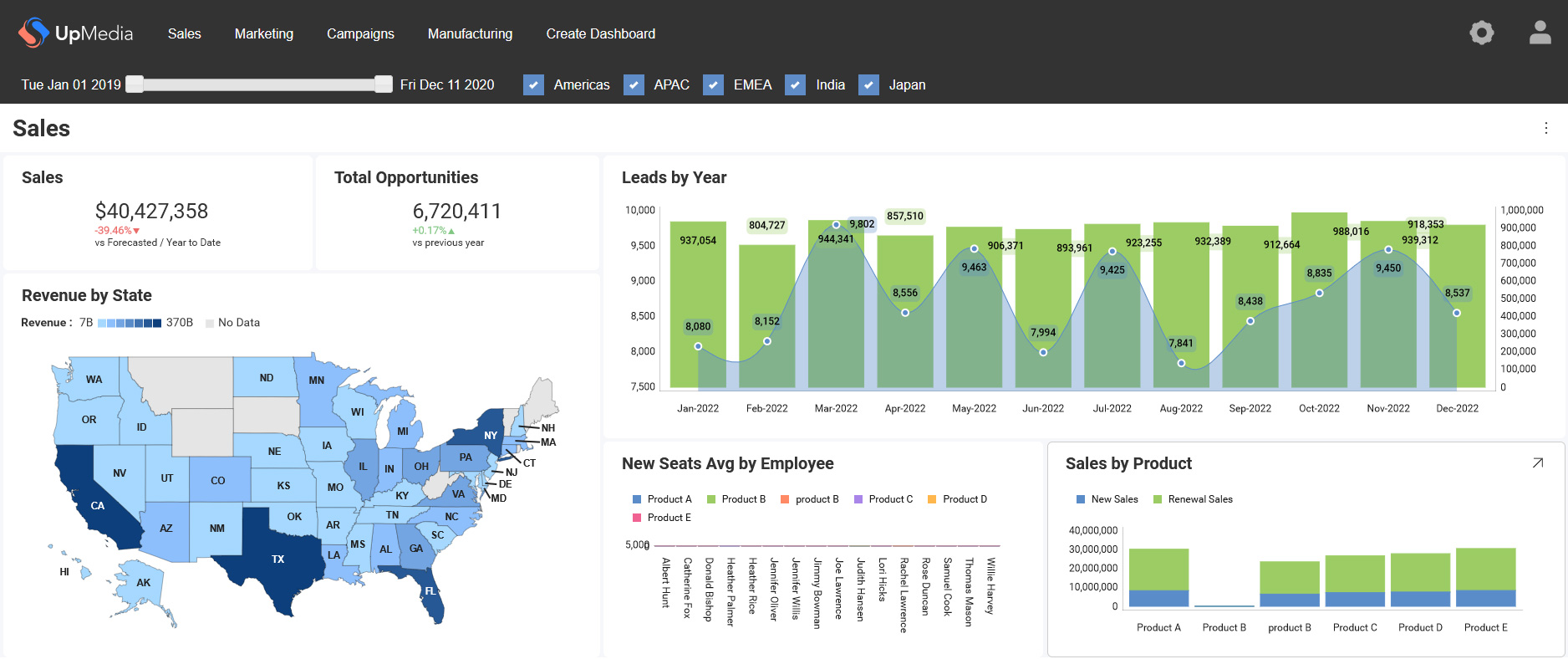
Business analytics is the review and analysis of data to help drive well-founded decision-making. Companies use analytics to discover the root causes of issues, find opportunities for improvement, and make decisions in hopes of improving key metrics such as customer satisfaction or revenue. Business analytics is often part of continuous improvement initiatives such as Six Sigma, but it can also be an important factor in day-to-day business operations.
The Main Types of Business Analytics
Analytics professionals have always been able to tease a great deal of insight out of data, and the more data they have to work with, the better conclusions analysts can draw. But modern business analytics often adds elements of automation and machine learning that make it possible to crunch numbers on increasingly large data sets in shorter periods of time, putting the power of data-based decisions to work for organizations of any size or type.
One of the first steps of putting business analytics to work for your organization is understanding the three major categories of analysis and when you might want to use them.
Descriptive Analytics
Descriptive analytics do exactly what they sound like: they describe the state of what is or was. How many employees worked yesterday? How many units were sold last month? What is the average speed of an answer in the call center for this hour? These are all questions descriptive analytics can answer.
In some organizations, this type of analytics is referred to as business intelligence. It’s used to answer questions about what is happening right now and report on KPI metrics. Decision-makers can use reports drawn from descriptive analysis to make decisions about:
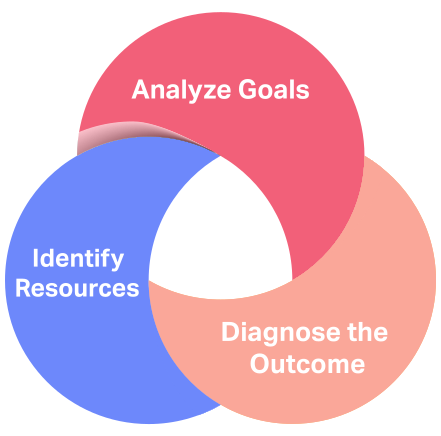
- Whether they need to add or remove resources from a process for ideal performance and cost-effectiveness
- Which employees are meeting goals so they can offer appropriate incentives, and which employees would benefit from additional coaching
- What happened during a process and what root causes might have been involved in a less-than-desirable outcome
Predictive Analytics
Predictive analytics uses existing data and statistical analysis methods to make probability predictions about future outcomes. How many widgets are likely to sell next quarter? How many people do we need to cover the call volumes expected for next month? What is a realistic but challenging goal to set for next year’s revenue? These are the types of questions predictive analysis answers.
In some organizations, when people talk about business analysis, they are primarily referring to predictive analytics. This type of analysis helps leaders understand how to staff and plan appropriately for the future, what types of revenue might be expected, and how to best target marketing approaches to drive more ROI.
Prescriptive Analytics
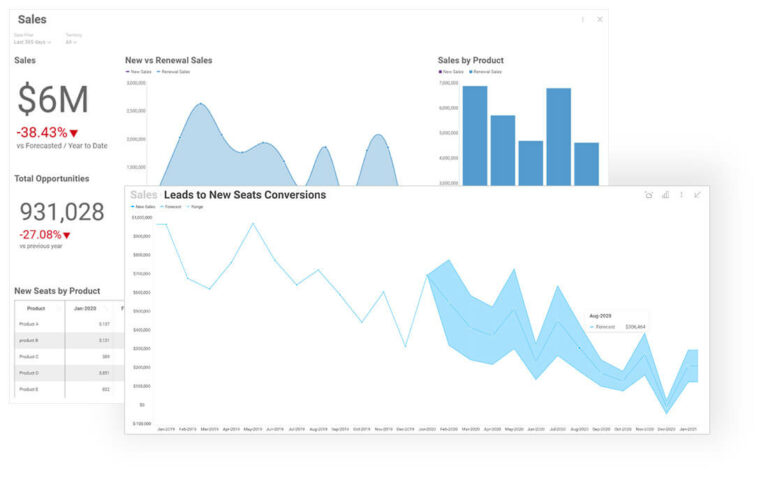
Prescriptive analytics help prescribe a potential solution to a question or concern. By using a combination of descriptive and predictive data and prescriptive analysis methods, experienced professionals can offer answers to what-if scenarios. The goal is to use data from past situations to analyze what might happen in the future and offer solutions that are statistically likely to lead to better outcomes.